
The IHC Foundation is an independent charitable trust that supports a wide range of initiatives that contribute to our vision of an inclusive New Zealand.
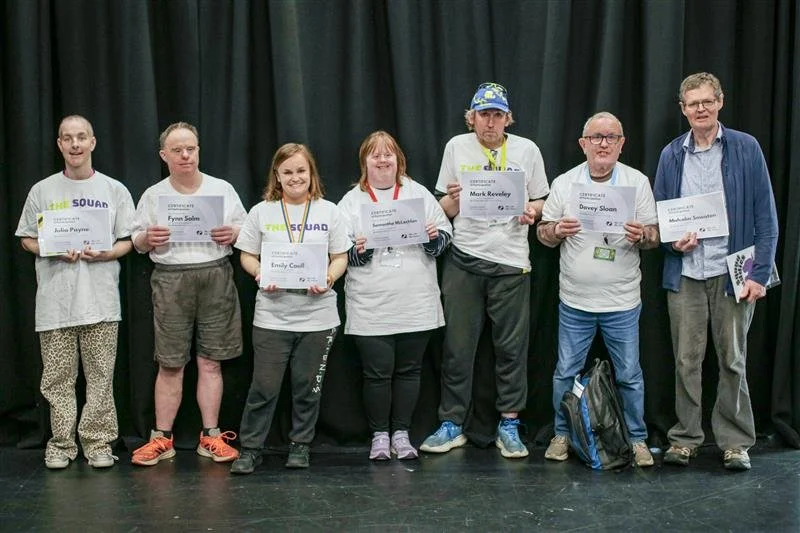
With funding from the IHC Foundation, The SkillWise Squad has employed a dedicated facilitator to help its members—all individuals with learning or intellectual disabilities—develop key leadership and governance skills so they can actively represent their peers at a board level.

Between 2019 and 2025, a $401,410 grant from the IHC Foundation enabled The Personal Advocacy and Safeguarding Adults Trust (PASAT) to establish its Safeguarding Adults from Abuse (SAFA) programme, which provides critical multi-agency advocacy and legal support to protect vulnerable individuals—particularly those with intellectual disabilities—from physical, emotional, and financial abuse.
With funding from the IHC Foundation, The SkillWise Squad has employed a dedicated facilitator to help its members—all individuals with learning or intellectual disabilities—develop key leadership and governance skills so they can actively represent their peers at a board level.
Autism New Zealand received a grant of $40,000 towards the salary costs of a Diagnosis and Early Support Manager within the Autism Resource Centre, in Wellington.

Taimahi Trust received a grant for a one-year pilot of a new Youth Coordinator role. The Youth Coordinator is focusing on helping people with intellectual disabilities develop the many skills they need to succeed in the workplace through a new social skills programme.


In a series of nationwide meetings, family carers are being encouraged to talk about the pressures of supporting disabled family members and what would make a difference to them.

Riding for the Disabled Coach Sharon Aldersley is saddling up for her role as Roving Coach. This year she will share her expertise with 20 Riding for the Disabled groups throughout the country, thanks to a grant from the IHC Foundation.

Autistic children and their whānau attending Victoria University’s Autism Clinic may feel more at home with a new style of support on offer this year.

Air New Zealand has offered a new café space at its Auckland head office to the operators of Flourish, a training café for people with intellectual disabilities.

Tupperware parties have disappeared from the scene in New Zealand, but a newcomer has arrived to be the next cool thing.

Since it launched in 2009, the IHC Foundation Charitable Trust has paid out nearly $7.7 million for projects to improve the lives of people with intellectual disabilities.

Students who might finish secondary school with no formal qualifications are now leaving with awards that recognise their skills and community connections.

IHC is expanding its Family-Whānau Liaison team in Northland and Auckland to make sure more families caring for people with intellectual disabilities can get the help they are missing out on.
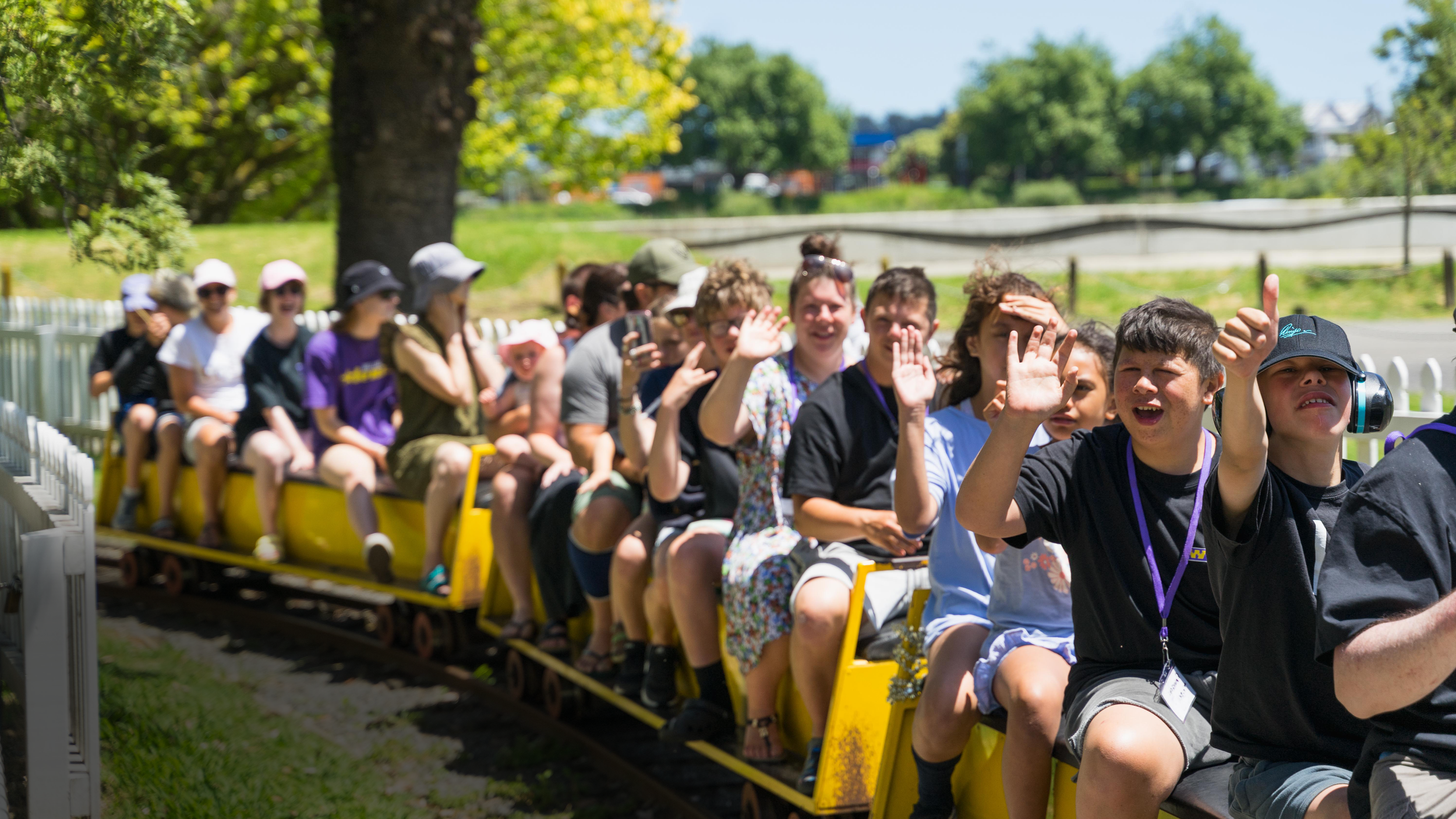
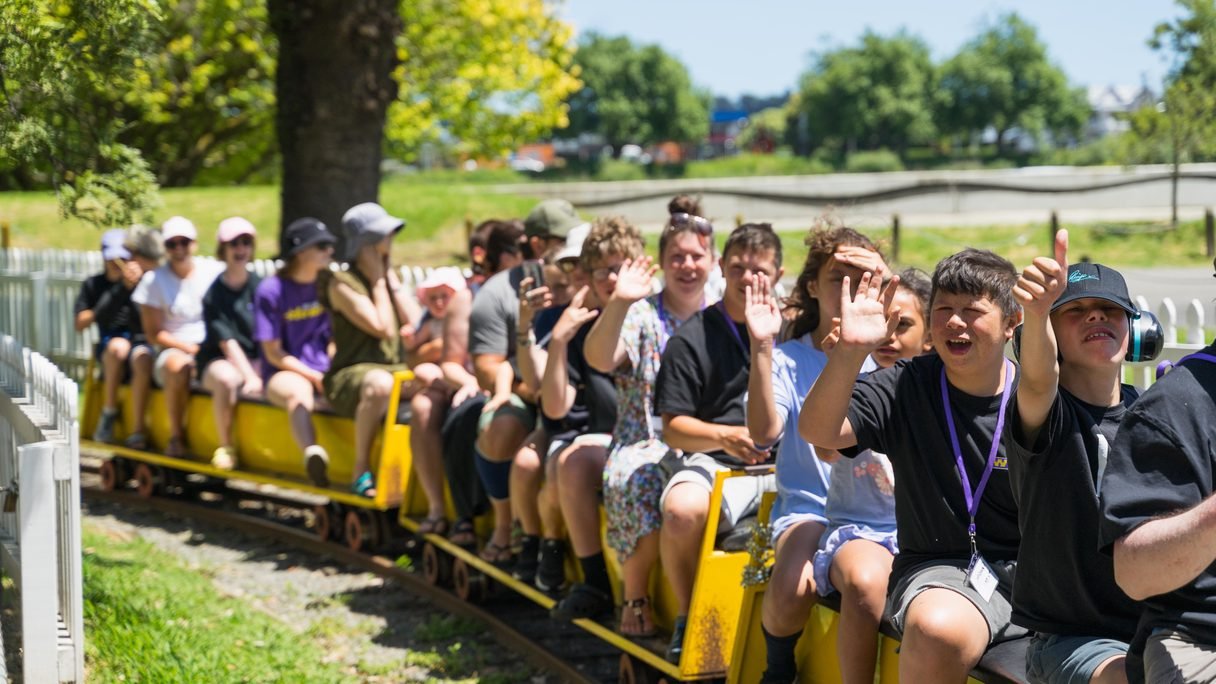
The families who make up the New Zealand Williams Syndrome Association met for their summer camp in Whanganui in January – and there was a lot to catch up on.

The word ‘jolt’ can mean shocking someone or something into change. And change is something that drives Christchurch-based dance company Jolt.

Taimahi Trust has come a long way from a coffee cart with four guys on the side of the road to a group of micro-enterprises providing great food and eco-products to Whangārei and beyond.

Sarah Dann-Hoare is out to convince employers that young disabled people make great employees.

Tom Russell has just finished a day’s work at the Te Tuhi Training Café in Pakuranga working at the till, taking orders, and baking a batch of almond friands.

Scientist Dr Whitney Whitford is skilled at finding missing pieces of DNA. Her complicated version of a jigsaw puzzle involves things called copy number variants (CNVs). They are responsible for the duplications and deletions of genes or parts of genes that cause neurodevelopmental disorders.

Eight families have diagnoses for rare genetic disorders thanks to the latest work by a team of researchers at the University of Auckland.